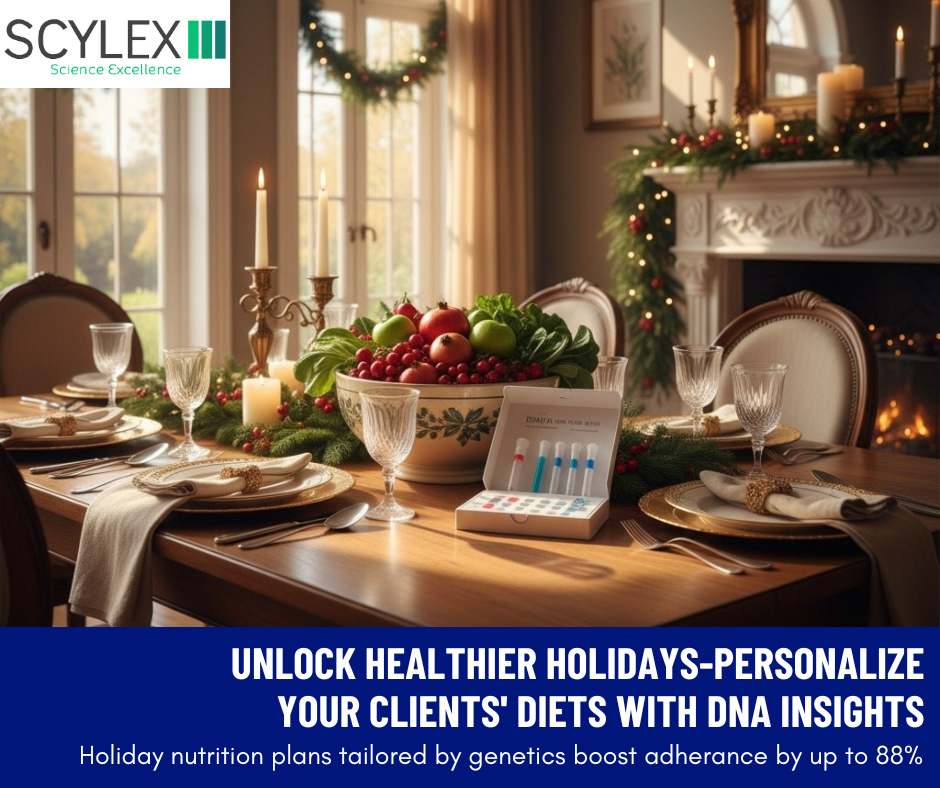
Are you ready to transform your clients’ holiday nutrition plans with the power of genomics? As the festive season approaches, many Americans struggle with maintaining balanced diets, especially amid indulgent holiday traditions. In 2024, cutting-edge genetic testing is revolutionizing the way nutritionists and dietitians craft holiday meal strategies offering an unprecedented level of precision, safety, and personalization.
Precision health and nutrigenomics now enable you to tailor dietary advice and supplement plans based on a client’s genetic makeup. This approach not only improves outcomes but also empowers evidence-based decisions for nutrition and wellness professionals. Here’s how leveraging DNA insights can reset the holiday nutrition game for your practice.
What Is Nutrigenomics and Why Does It Matter for Holiday Nutrition?
Nutrigenomics—the study of how genes influence responses to nutrients—matters because it shifts the paradigm from generic dietary advice to precision recommendations. By decoding how an individual’s genes affect nutrient metabolism, food sensitivities, and risk of chronic disease, nutrition professionals can deliver targeted interventions that holiday indulgences often thwart.
Research indicates that tailored nutrition based on DNA markers leads to higher engagement and better adherence, especially during challenging periods like the holidays. For example, certain gene variants may increase sensitivity to carbohydrates or saturated fats, inform vitamin and mineral needs, or impact caffeine and alcohol metabolism—factors that are highly relevant during festive celebrations (see Personalized Nutrition Market).
How Does DNA Testing Enhance Holiday Diet Planning?
DNA testing unlocks actionable insights by analyzing genes linked to nutrient metabolism, food tolerances, and dietary behavior. In practice, this gives dietitians and nutritionists a science-backed blueprint to:
- Identify optimal macronutrient ratios
- Guide safe supplementation
- Flag food intolerances and sensitivities
- Personalize weight management strategies
During the holidays—when clients are exposed to richer foods and higher stress—DNA-based insights enable proactive planning. For instance, those with slower caffeine metabolism genes can be advised to moderate coffee or tea intake during holiday gatherings, while individuals with genetic predispositions for higher cholesterol absorption can receive customized fat intake recommendations.
What Are the Clinical Benefits of Nutrigenomic Testing for Nutrition Professionals?
DNA-driven nutrition does more than boost client satisfaction. Clinical studies suggest that nutrigenomic interventions may:
- Improve metabolic health markers (e.g., blood sugar, cholesterol)
- Increase diet adherence by up to 88%
- Support more sustainable weight loss
- Reduce adverse food reactions and improve overall well-being
North America, particularly the USA, leads in the adoption of personalized nutrition solutions due to the accessibility of advanced genetic testing and strong regulatory support. The market for DNA-based personalized nutrition is projected to reach $17.9 billion by 2025 (Personalized Nutrition Market Size).
How to Apply DNA Insights to Holiday Meal Plans?
Integrating DNA-based insights into holiday meal plans is straightforward for clinics and individual practitioners. Steps include:
1. Collect a client’s genetic sample with an accredited provider specializing in nutrigenomics.
2. Review a comprehensive report outlining nutrient sensitivities, metabolism rates, and dietary risk factors.
3. Translate the findings into practical meal adjustments: swap foods, adjust portion sizes, recommend strategic supplements, and advise on alcohol and caffeine limits.
4. Support clients with digital tools or AI-driven meal planners that update recommendations in real-time.
Sample scenario: A client with an MTHFR gene variant benefits from increased folate-rich foods at holiday dinners; another with FTO gene variations may need to moderate sugar intake even more strictly at dessert tables.
What Are Best Practices for Communicating DNA Results and Driving Client Engagement?
Clear communication and empathetic coaching are crucial. Best practices include:
- Explaining the “why” behind genetic recommendations
- Focusing on positive changes rather than restrictions
- Providing practical recipes or shopping lists tailored to findings
- Setting small, achievable goals for the holiday season
Incorporating behavioral coaching can boost adherence and help clients understand the value of precision nutrition.
Are There Any Challenges or Ethical Considerations with DNA-Driven Holiday Diet Planning?
While the promise of nutrigenomics is enormous, professionals should be aware of potential pitfalls, including:
- Interpreting results within a wider context of lifestyle and environment
- Ensuring data privacy and security for genetic information
- Navigating evolving regulatory standards
- Avoiding overpromising or deterministic claims—genetics is only one piece of the puzzle
As part of a holistic approach, precision nutrition should always be combined with up-to-date research and client-centered care.
Personalizing holiday diets with DNA insights can help nutritionists and dietitians in the USA deliver safer, more effective, and engaging health outcomes. As clients seek evidence-based ways to enjoy festive traditions, precision health is set to become the new standard for dietary planning. By integrating nutrigenomic testing into your services, you not only enhance client care but position your practice at the forefront of modern nutrition.
Ready to offer DNA-based holiday plans for your clients? Contact our team today to learn more about implementing nutrigenomic testing in your practice—and help your clients achieve healthier, more personalized results this holiday season! https://www.scylexlab.com/schedule