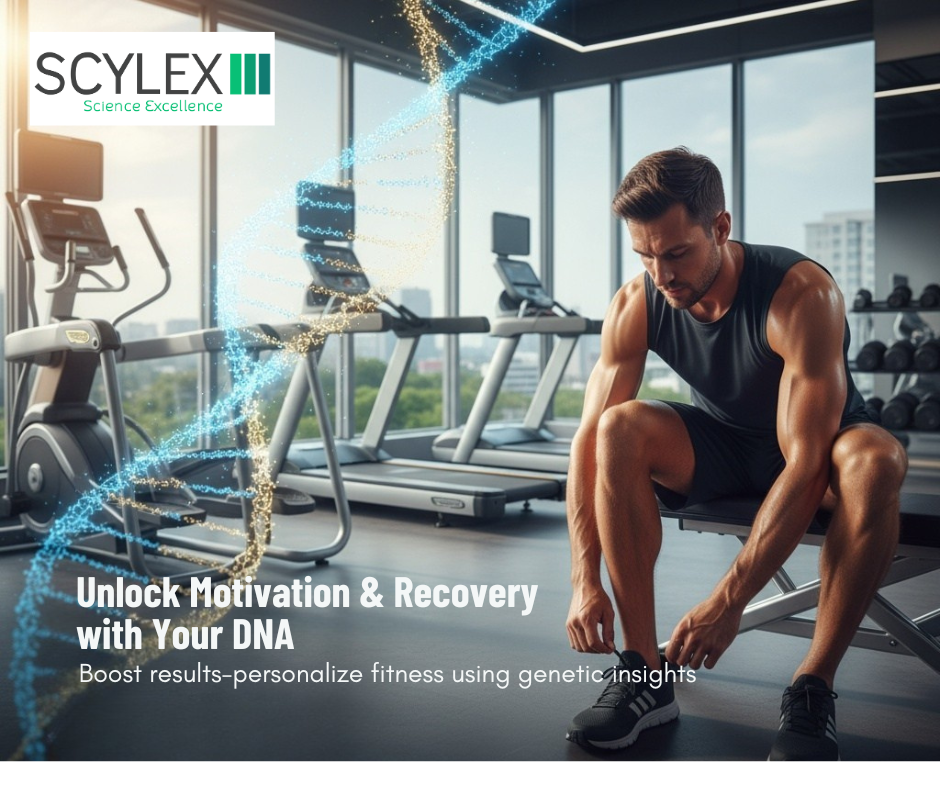
The pursuit of fitness goals often comes down to motivation and recovery—two factors that vary widely among individuals. But why do some clients push through intense workouts while others struggle, or why do recovery times differ even with similar regimens? Recent advances in genomic science suggest that the answers might be written in our DNA. For fitness trainers in the USA, understanding genetic influences on exercise drive and recovery is now more accessible than ever, thanks to precision health and genomic testing.
With DNA-based insights, trainers can move beyond a one-size-fits-all approach to deliver personalized plans that empower clients to achieve better outcomes. This article explores the science behind genes, exercise motivation, and recovery—and how these discoveries are shaping the future of fitness coaching.
How Do Genes Influence Exercise Motivation?
Specific gene variants can impact neurotransmitter levels, such as dopamine and serotonin, which regulate motivation and reward responses during exercise.
Genetic research has uncovered that the drive to exercise isn't purely psychological—biological factors play a significant role. For example, the DRD2 and COMT genes control dopamine signaling in the brain, affecting how rewarding individuals perceive physical activity to be. Some people have variants that naturally boost motivation and the desire to continue a workout, while others may require more external encouragement. According to a recent NIH review, these differences can affect adherence to exercise programs, guiding trainers in developing more supportive and effective coaching strategies (NIH Article).
Trainers leveraging genetic insight help identify clients who might benefit from reward-based systems or motivational interviewing—making every session more productive and personally engaging.
Can Genetics Determine Recovery Speed After Exercise?
Yes—genes linked to inflammation, muscle repair, and oxidative stress response influence how quickly a client recovers from exercise.
Recovery time after strenuous sessions isn't just about training status or nutrition. Variations in genes like IL6 (inflammatory response), ACTN3 (muscle repair), and SOD2 (antioxidant function) all impact tissue healing and resilience. For instance, carriers of certain ACTN3 alleles may experience slower muscle recovery, making them prone to fatigue or injury (Science Daily, 2023).
Using DNA-based insights, fitness professionals can fine-tune recovery protocols—suggesting specific rest intervals, active recovery, or targeted nutrition—to maximize performance and minimize injury risk.
What Role Does Nutrigenomics Play in Exercise Outcomes?
Nutrigenomics tailors dietary plans based on an individual’s genetic makeup, supporting both exercise performance and efficient recovery.
Genetic testing can reveal how clients metabolize nutrients, absorb vitamins, or respond to performance supplements. Variations in the FTO or MTHFR genes, for example, affect how bodies process fats and B vitamins, directly impacting energy levels and recovery. Trainers aligned with nutrigenomic data craft meal and supplement strategies that enhance workout results and accelerate post-exercise repair (Healthline, Nutrigenomics).
By aligning nutrition with genetic profiles, trainers offer clients a science-backed edge in athletic improvement, and foster better adherence to dietary changes.
How Does Pharmacogenomics Support Personalization in Training?
Pharmacogenomics uses genetic information to optimize how clients respond to medication, avoiding adverse effects that could hinder exercise routines.
For clients managing chronic conditions or injuries, medication plays a vital role in their ability to participate in and recover from exercise. Genetic variants in genes like CYP2D6 and CYP3A4 affect drug metabolism, which can alter energy, pain response, or inflammation management. Precision health services identify these unique genetic factors, helping trainers coordinate with healthcare providers to ensure safe, effective fitness programs (CDC, Genomics and Medicine).
This level of personalization minimizes the guesswork and helps trainers develop holistic plans promoting long-term wellness.
What’s the Future of Fitness Training with Genomic Insights in the USA?
The incorporation of genomic testing is transforming fitness coaching, enabling hyper-personalized exercise, nutrition, and recovery plans in the USA.
As awareness grows and costs decrease, more trainers are adopting genomic testing to differentiate their services and improve client outcomes. Companies specializing in pharmacogenomics and nutrigenomics empower professionals to create data-driven programs—improving compliance, optimizing results, and reducing injury rates (Forbes, Future of Fitness).
In the US, this approach aligns with a broader trend towards preventative, personalized health strategies, strengthening trainer-client relationships through measurable, individualized results.
Genomic science is rewriting the rules of fitness training, offering fresh insights into what drives motivation, speeds recovery, and ensures safe, productive workouts. By embracing DNA-based data, fitness trainers can revolutionize client care—delivering personalized strategies that work with, not against, each client’s unique biology.
Ready to integrate cutting-edge genetics into your coaching practice? Contact us today to learn how our genomic testing services can help you deliver safer, smarter, and results-driven fitness plans for your clients. https://www.scylexlab.com/schedule